
Drainage Service Scheduling Guide
Proper scheduling of drainage services is essential to maintain effective water flow and prevent issues such as flooding and soil erosion. The optimal time for drainage service depends on seasonal weather patterns, soil conditions, and property-specific factors. Regular inspections and maintenance are recommended during periods of heavy rainfall or before the rainy season begins to ensure drainage systems function properly.
Spring is an ideal time to evaluate and clear drainage systems after winter. This helps prevent blockages caused by debris accumulation during snowmelt and rain.
Conducting drainage service before heavy rains ensures systems are prepared to handle increased water flow, reducing flood risk.
After significant storms, inspecting drainage systems helps identify and address any damage or blockages promptly.
Summer is suitable for ongoing drainage system upkeep, especially in regions with monsoon seasons or heavy summer storms.
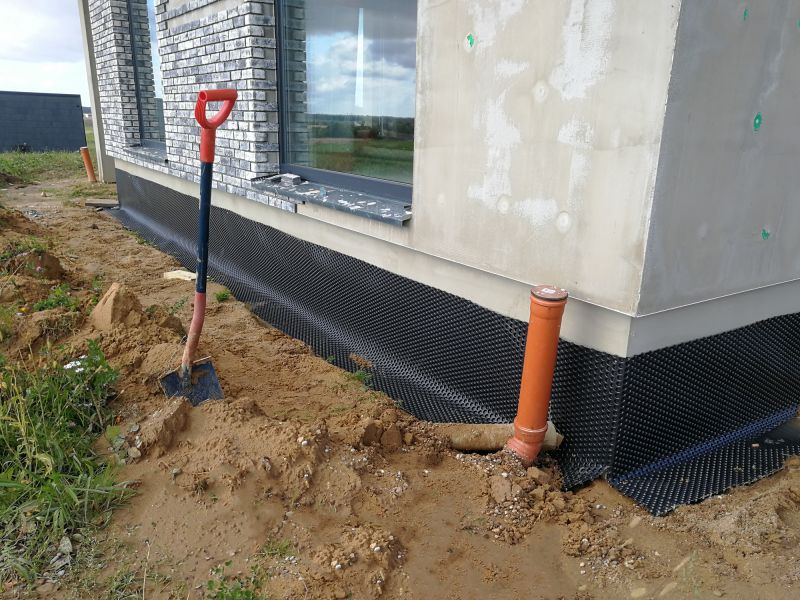
Visual assessment of drainage infrastructure during spring.
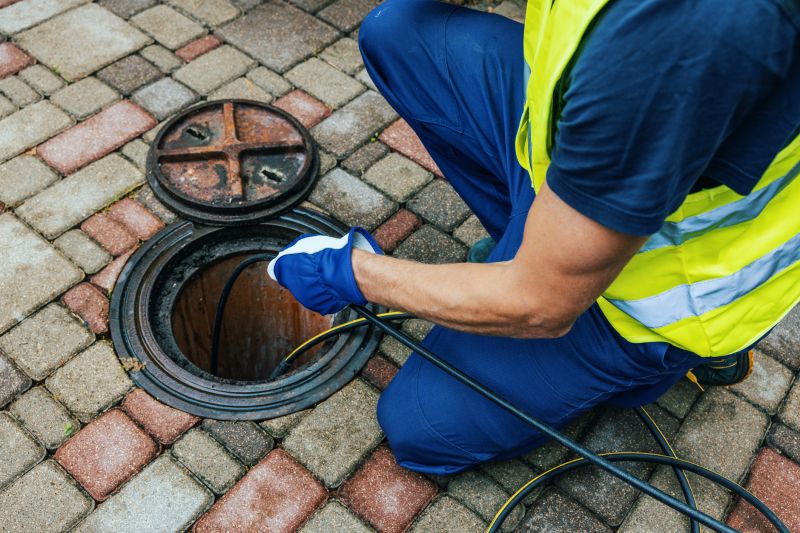
Removing debris from drains before rainy season.
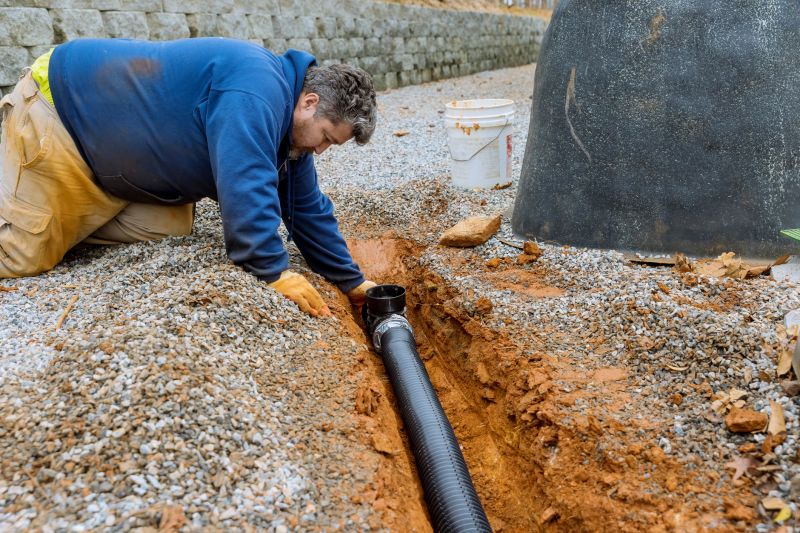
Checking underground pipes for damage or obstructions.
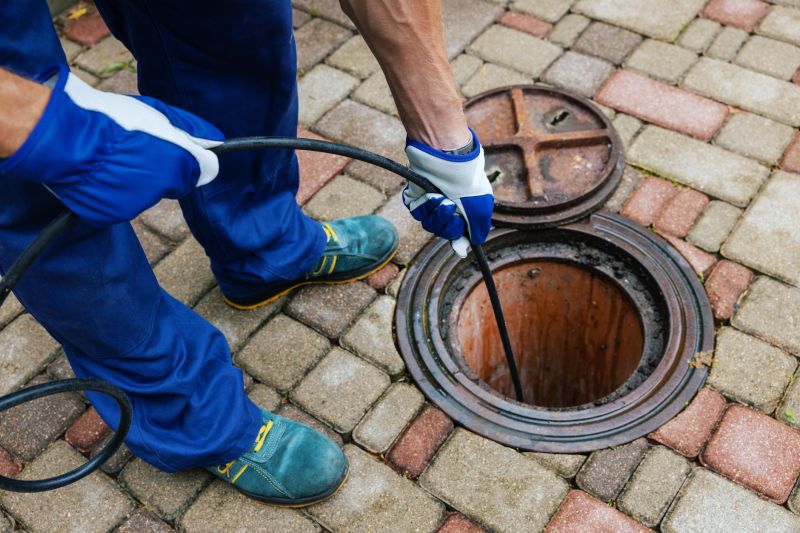
Ensuring storm drains are free of debris post-storm.
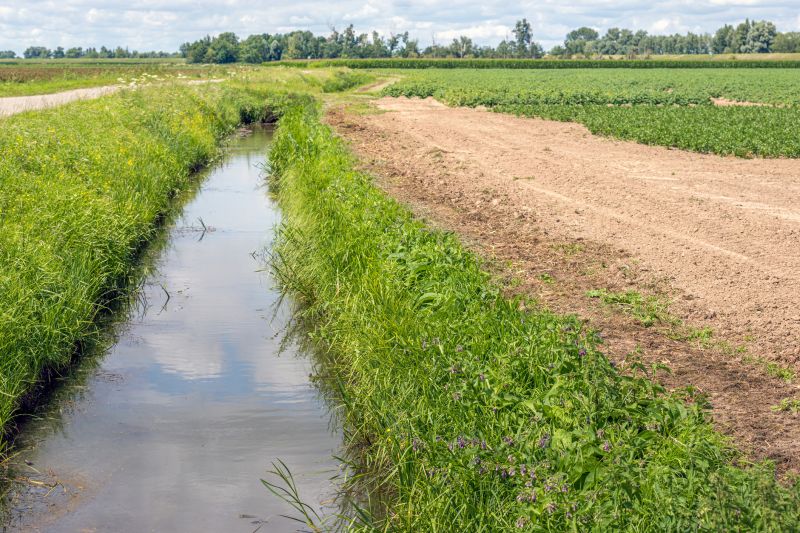
Implementing measures to prevent soil erosion in vulnerable areas.
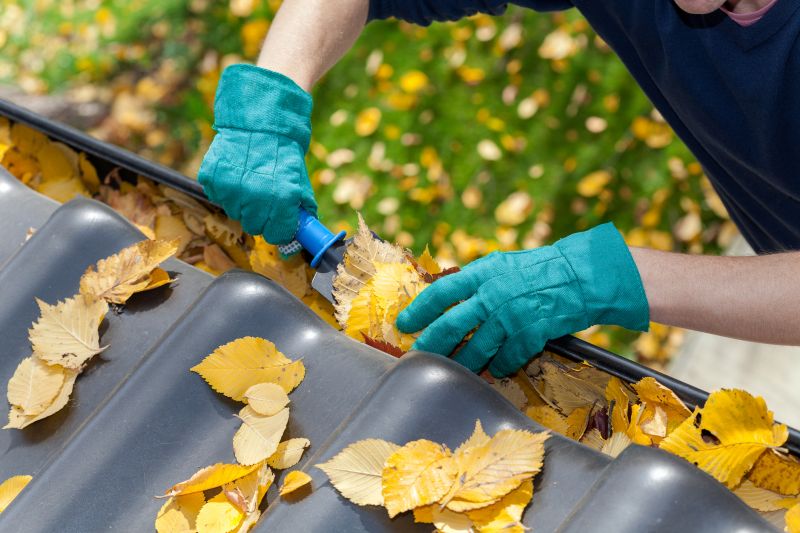
Removing leaves and debris from gutters in fall.
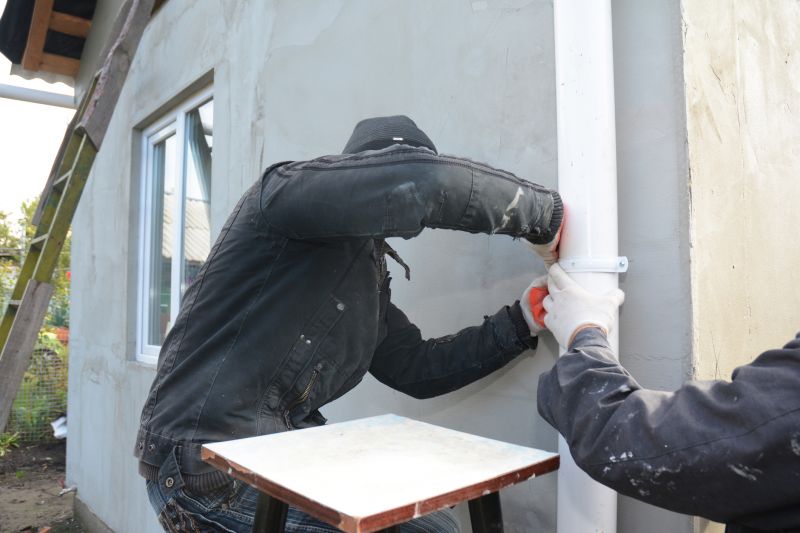
Fixing leaks or damages before winter.
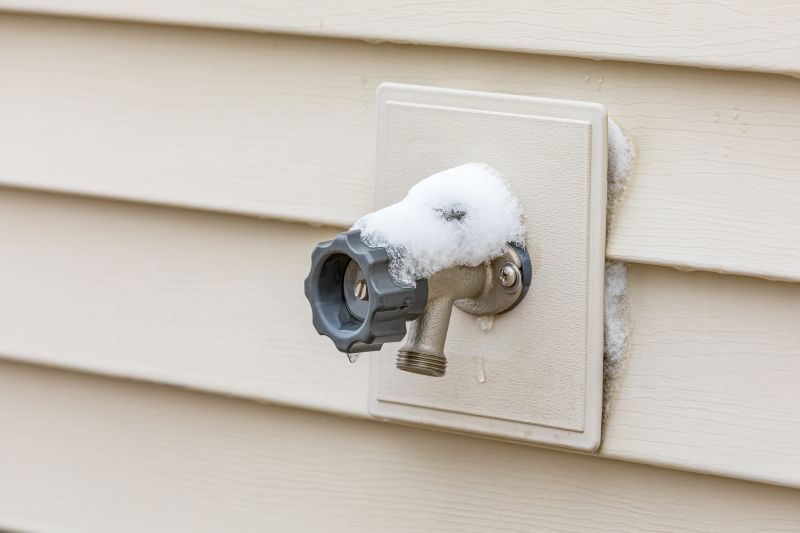
Preparing drainage infrastructure for freezing temperatures.
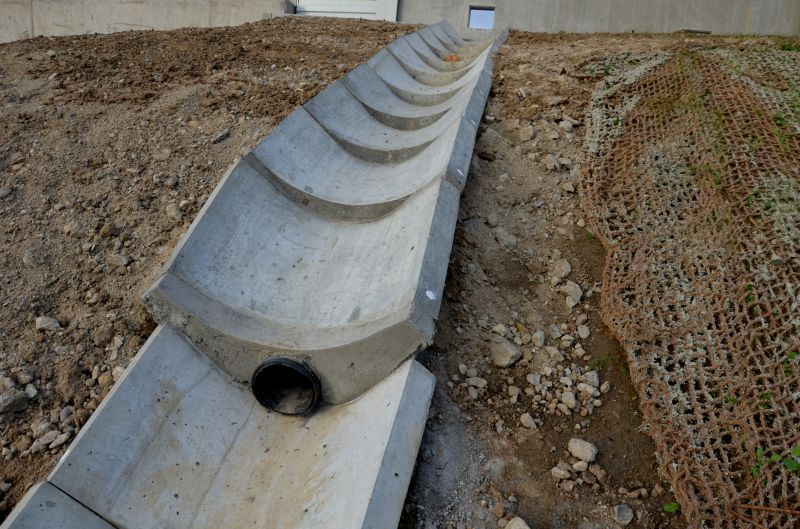
Installing new systems to improve water flow efficiency.
| Season | Recommended Drainage Service Activities |
|---|---|
| Spring | Inspect and clear debris, check for damage |
| Pre-Rainy Season | Conduct thorough system checks, repair as needed |
| Post-Storm | Remove blockages, assess for damage |
| Summer | Routine maintenance, monitor for erosion |
| Fall | Clean gutters, remove fallen leaves |
| Winter | Winterize drainage systems, inspect for freezing risks |
Drainage services play a vital role in maintaining the integrity of water management systems. Proper timing ensures that systems operate efficiently and reduces the likelihood of water-related issues such as flooding or soil instability. Regular maintenance and timely inspections can extend the lifespan of drainage infrastructure and help prevent costly repairs.
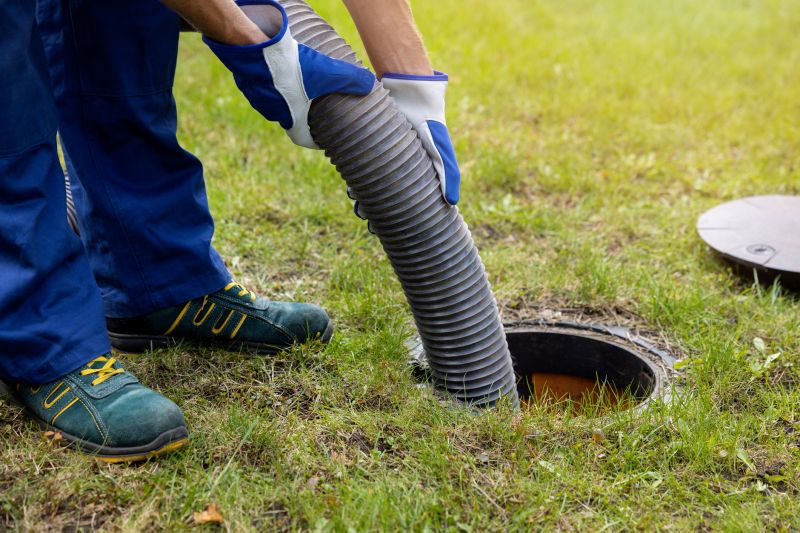
Routine upkeep to ensure proper water flow.
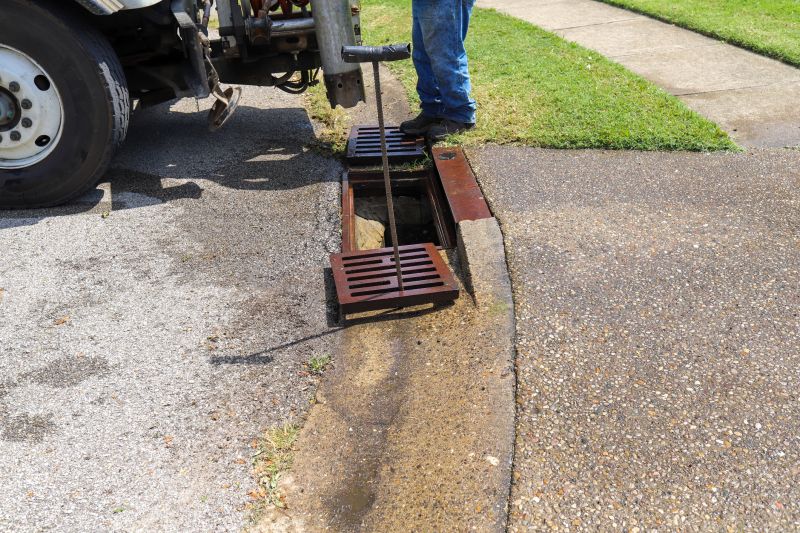
Removing debris to prevent blockages.
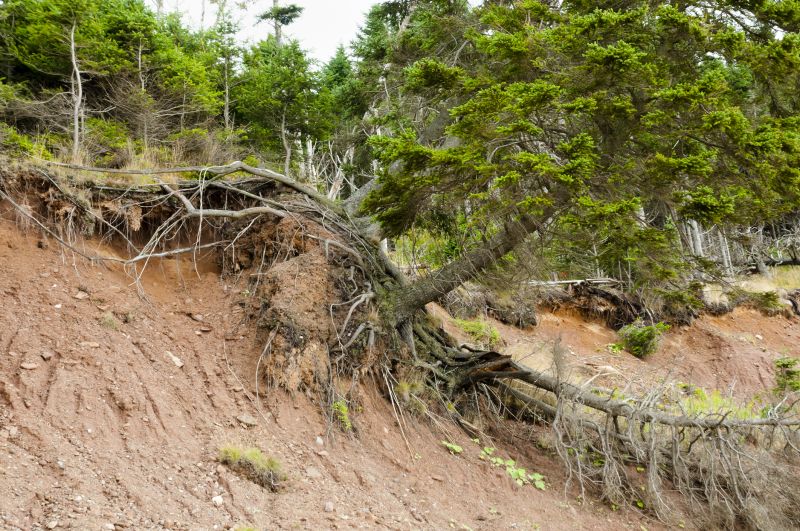
Implementing measures to stabilize soil.
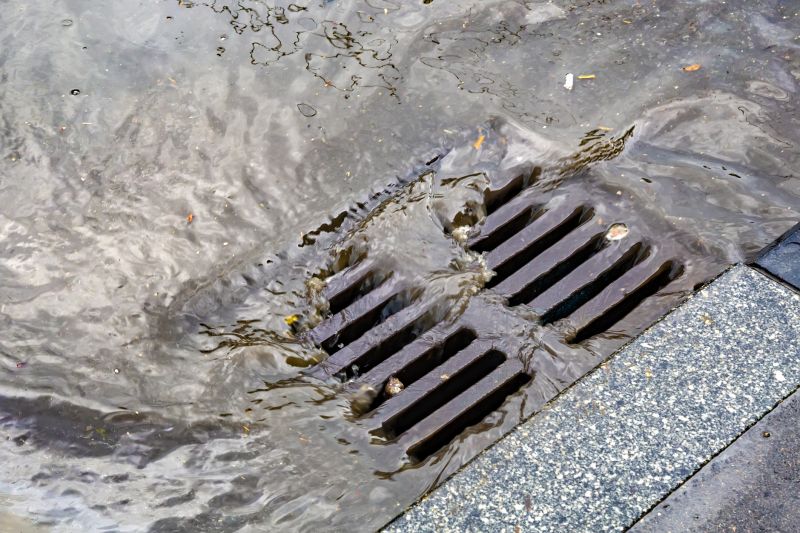
Enhancing capacity for better water management.
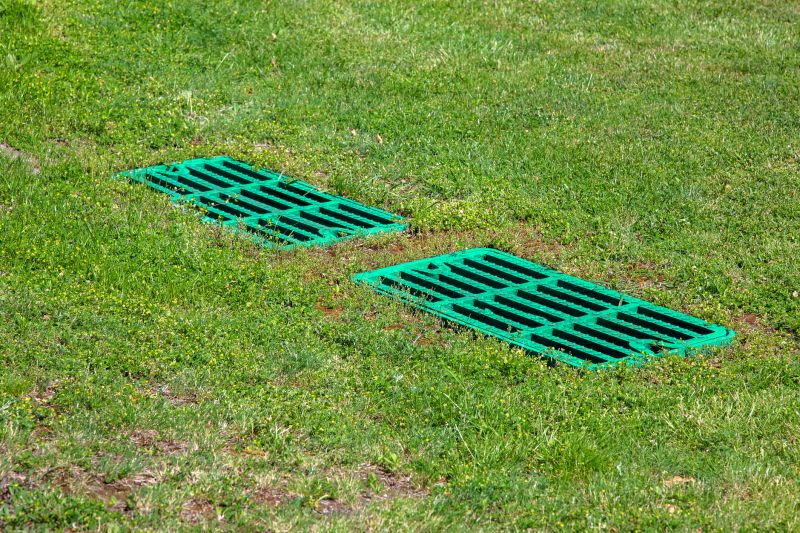
Ways to make Drainage Service work in tight or awkward layouts.
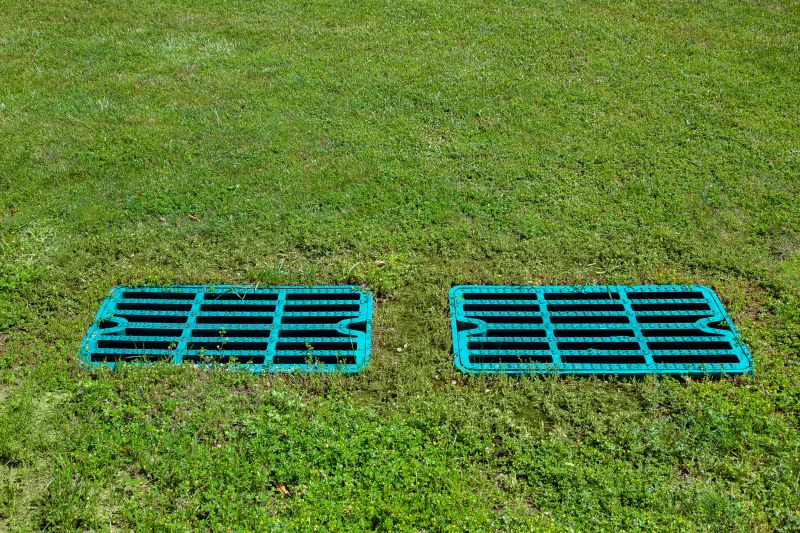
Popular materials for Drainage Service and why they hold up over time.
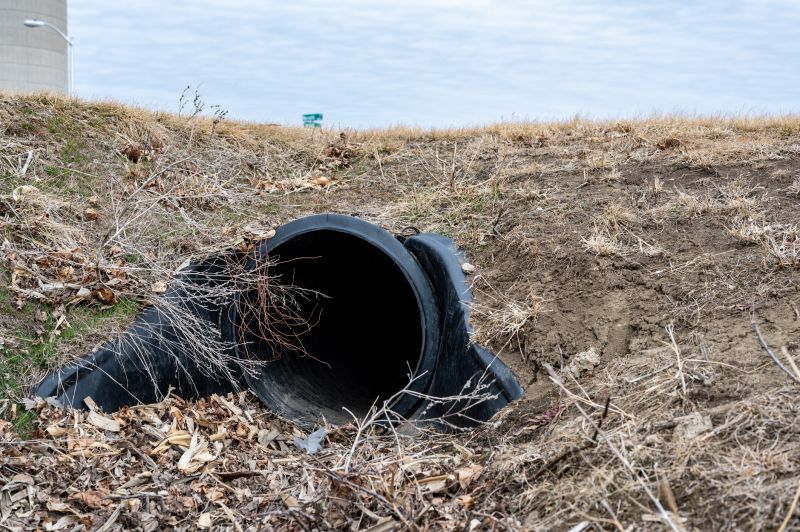
Simple add-ons that improve Drainage Service without blowing the budget.
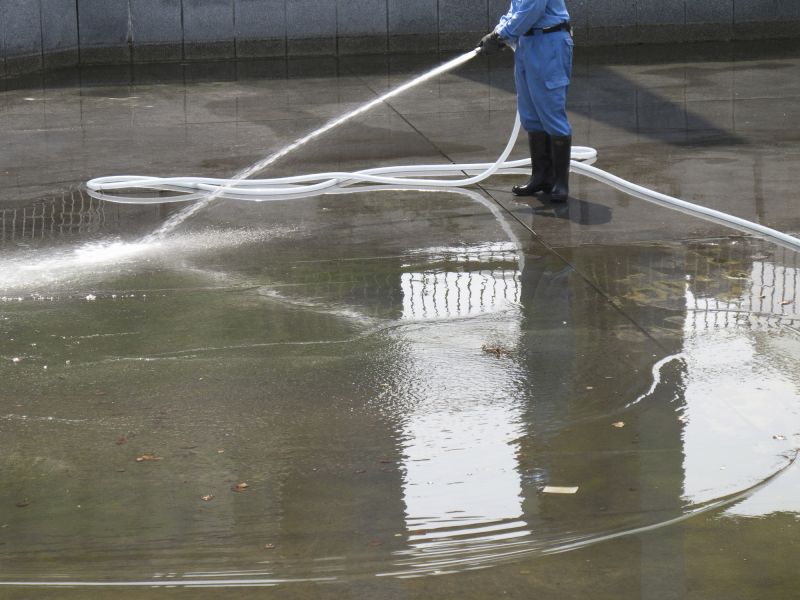
High-end options that actually feel worth it for Drainage Service.
Interested in scheduling drainage service to ensure optimal water flow and protection against flooding? Filling out the contact form can provide more information and help plan maintenance tailored to specific property needs.